
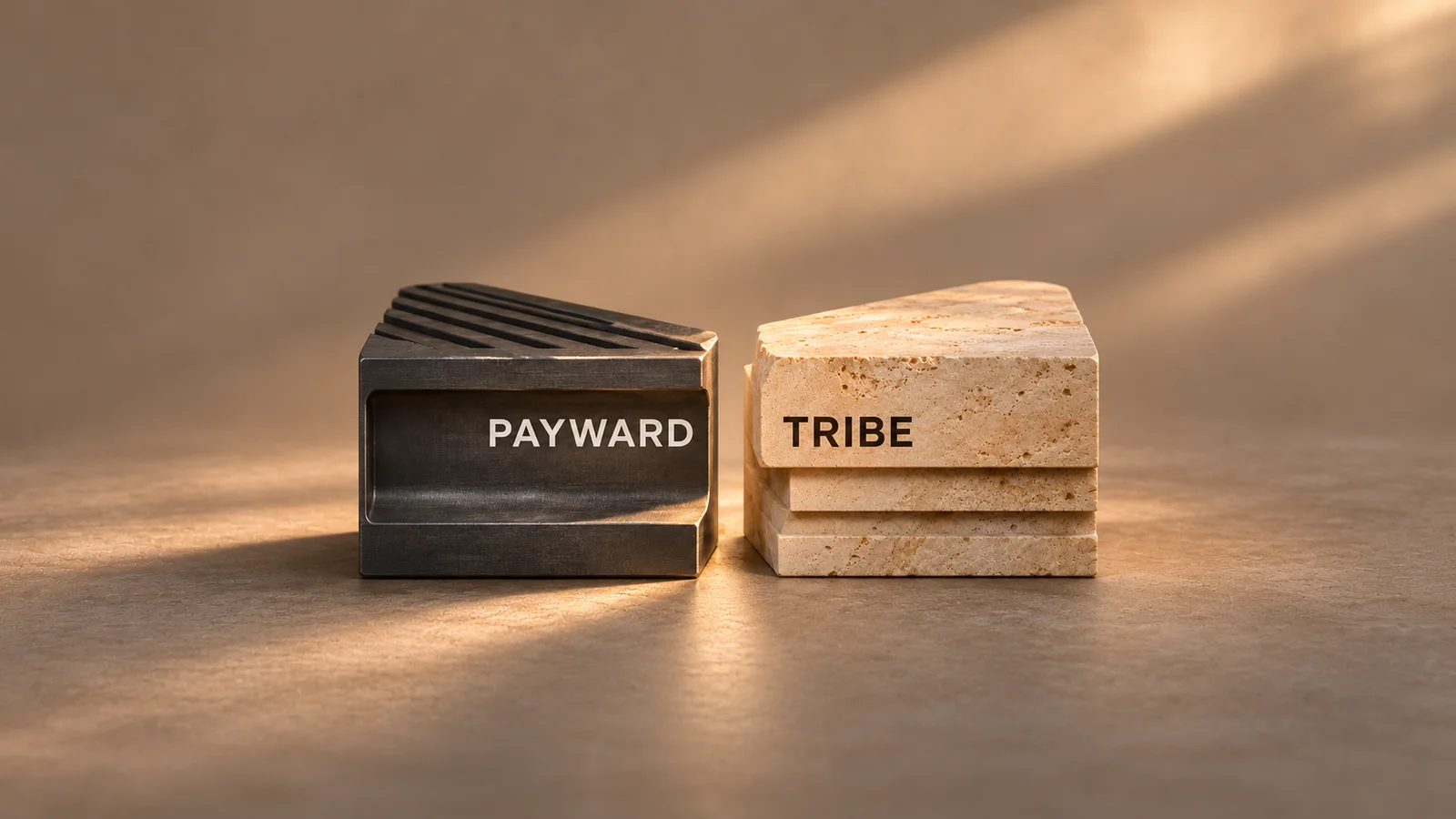
Payward, the parent of Kraken, is preparing to add private investing to its financial platform. On November 18, it announced a definitive agreement to acquire Tribe Capital Management, Inc. The deal requires customary consents and is expected to close in the first quarter of 2027. Payward puts Tribe's assets under management at about $2.7 billion; the purchase price has not been disclosed.
The acquisition is about obtaining the ability to create and manage assets. Founded in 2018, Tribe invests in early- and late-stage private companies through funds and co-investment vehicles. It brings deal sourcing, underwriting, portfolio construction and fund management. Payward brings customer reach and infrastructure for trading, custody, collateral and tokenization. Its stated plan is to place Tribe within its asset-management business and develop private-market offerings from that combination.
Beyond transaction fees
Payward's expansion already has a direction. Kraken serves digital-asset traders, NinjaTrader adds futures, xStocks extends into tokenized equities, and CF Benchmarks supplies indexes. In its third-quarter report, Payward said asset-based and access-based activities together accounted for 52% of its own Total Platform Margin measure, up from 46% a year earlier. Trading remains central, but holding assets and using platform services are growing parts of the business.
Tribe supplies the private-deal pipeline and fund-management skills for this next step. If the acquisition closes, asset selection, product design, trading access and distribution will sit inside one group. Payward would move further beyond providing a venue: it could influence which investments are assembled, managed and presented to its customers. That is a more consequential change than adding another product tile to the Kraken app.
The other side of an all-in-one platform
Private assets move at a different speed. Valuations are less frequent, capital can be locked up for years, and exits are uncertain. A platform built around convenient accounts and rapid execution can make access feel simple. It cannot make the underlying investment liquid. If Payward eventually offers these products to a wider audience, the terms, eligibility and exit routes will matter more than the interface.
There is also a governance question specific to this transaction. Tribe co-founder and chairman Arjun Sethi is simultaneously Kraken's co-CEO. The announcement names the deal's advisers but gives no account of Sethi's economic interest in the sale, the pricing review or who took part in the decision. Payward should explain how it handled that overlap if it wants its private-market expansion to command trust.
The eventual products, eligible customers, issuing and managing entities, custody arrangements and fees await further disclosure. My judgment is that Payward is moving toward a financial group that sources, manages and distributes assets as well as enabling their trade. The more complete the platform becomes, the more clearly customers need to see who is responsible at each link in that chain.
Sources: Payward acquisition announcement, November 18, 2026; Payward Q3 business report, November 13, 2026; Tribe Capital team, undated. All accessed November 23, 2026.
This article is not investment advice.
Discussion
Comments (0)
Sign in to join the discussion.
Sign inNo published comments yet. Start the discussion.